Nutrition Planning for Busy Schedules
Learn how to organize your nutrition with limited time and build sustainable eating habits for an active lifestyle.
Request a Consultation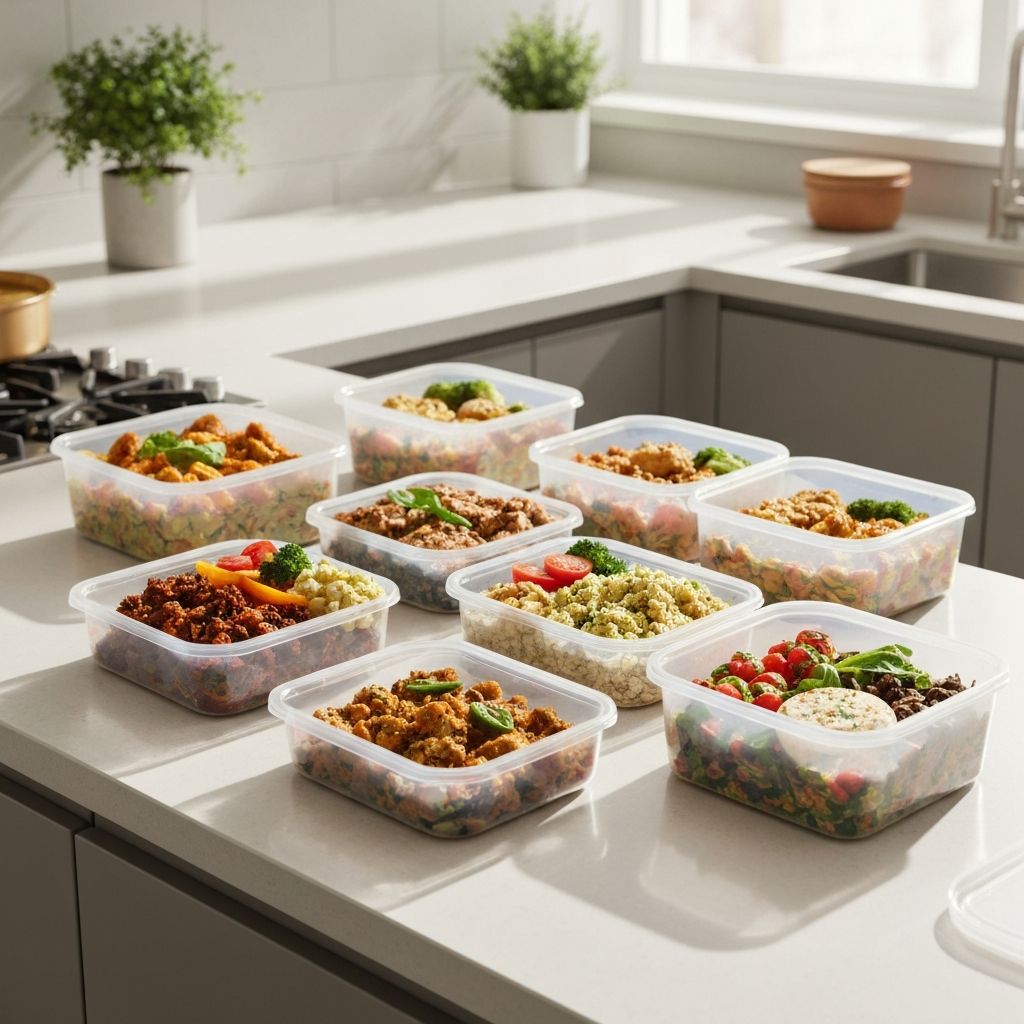
Learn how to organize your nutrition with limited time and build sustainable eating habits for an active lifestyle.
Request a Consultation
Modern lifestyles often leave little time for meal planning and preparation. Learning efficient approaches can help maintain consistent eating patterns.
Understanding how to organize meals throughout the day can support sustained energy levels for work, exercise, and daily activities.
Building simple, repeatable nutrition habits can make daily food choices easier and more sustainable over time.

Dedicate time weekly to outline meals and create shopping lists. This reduces daily decision-making and saves time throughout the week.
Prepare multiple portions of staple foods at once. Cook grains, proteins, and vegetables in larger quantities to use throughout the week.
Build meals from basic components: a protein source, vegetables, and energy sources like grains or legumes. Keep it straightforward.
Use containers and storage methods that make meals easy to transport and consume during busy days.
When time is limited, certain food choices can be more practical:
Eggs, canned fish, legumes, pre-cooked chicken, tofu
Pre-washed greens, frozen vegetables, cherry tomatoes, cucumbers
Instant rice, quick oats, whole grain bread, tortillas
Nuts, fruit, yogurt, cheese, crackers
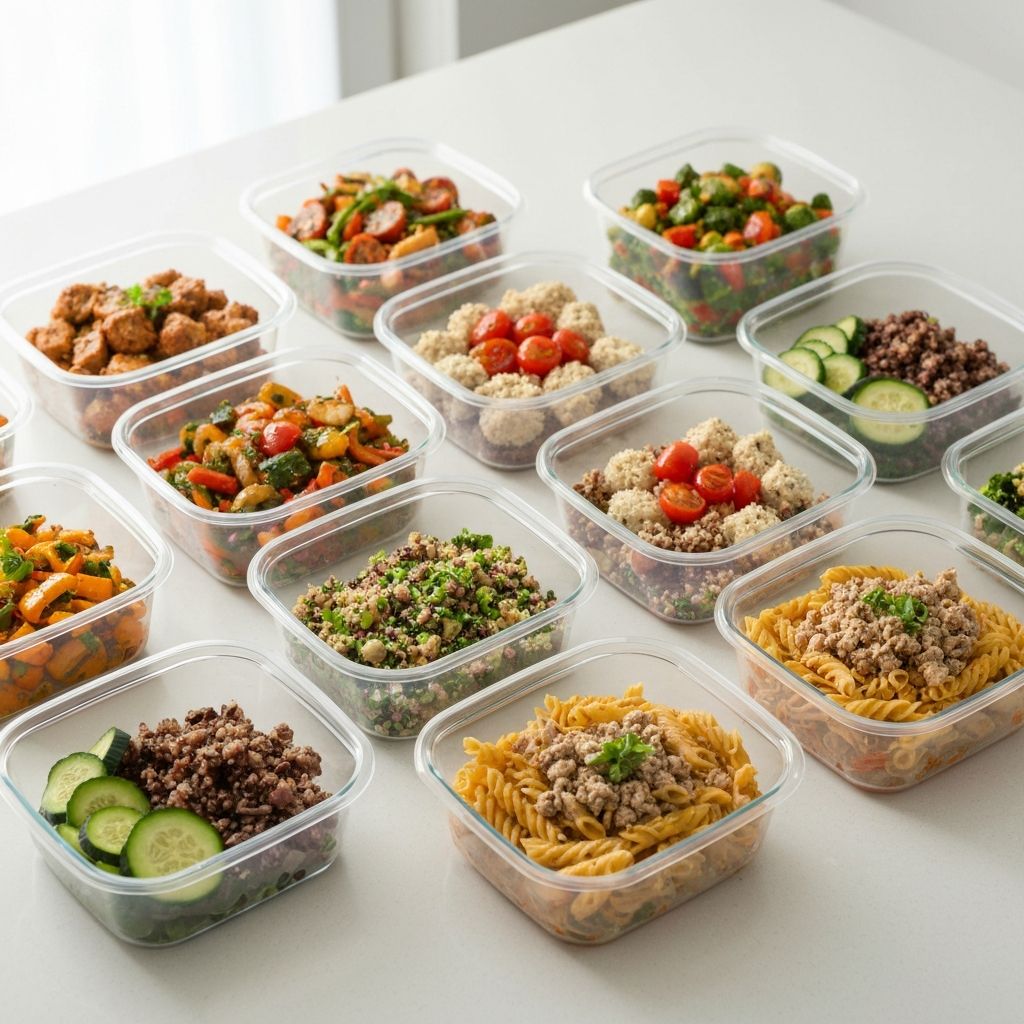
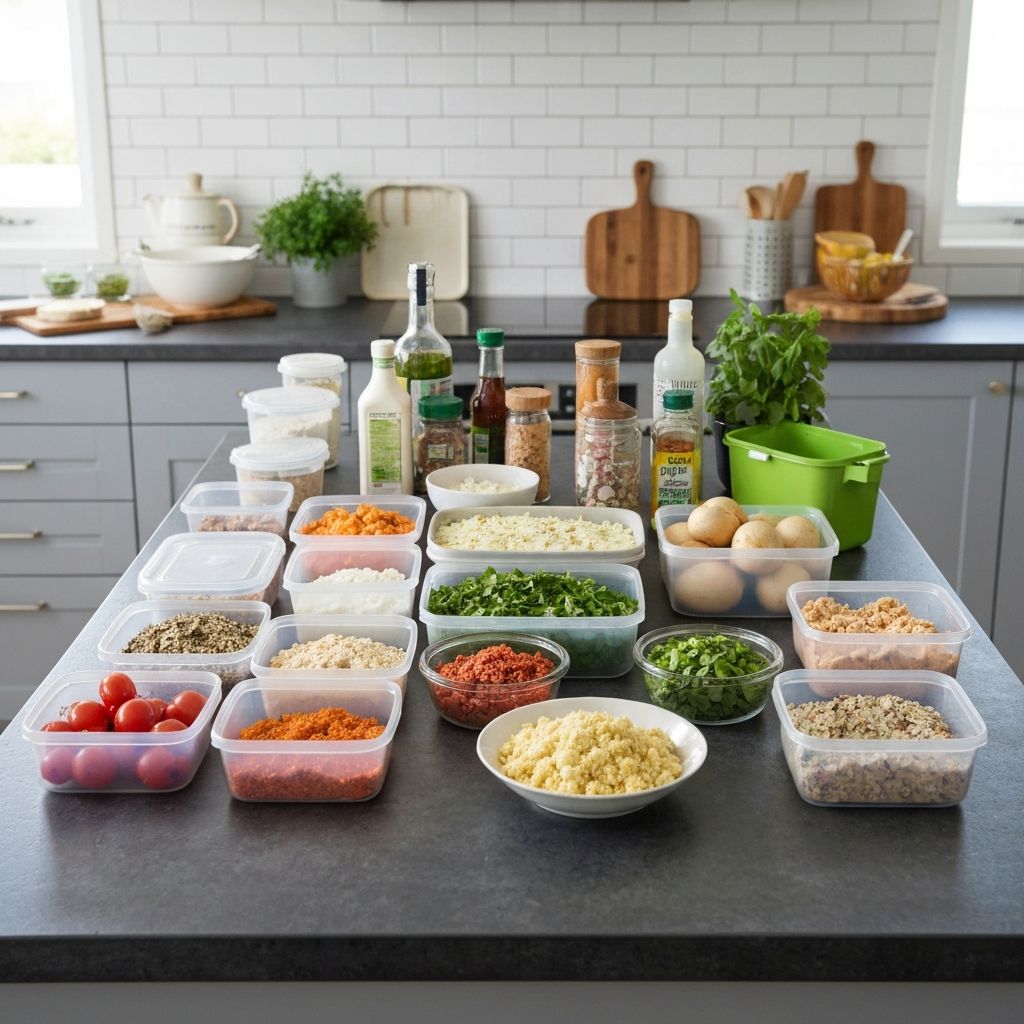
Select a consistent day each week when you have 2-3 hours available for food preparation. Many people choose Sunday or a day off.
Begin with preparing just 2-3 days worth of meals. As you build the habit, you can extend to a full week.
Invest in quality containers that seal well and are microwave-safe. Label containers with contents and dates.
Prepare components that can be mixed and matched rather than complete fixed meals. This adds variety throughout the week.
Individuals with demanding work schedules who need structured approaches to daily nutrition.
People maintaining regular exercise routines who want to align eating patterns with activity levels.
Those balancing studies and activities who need practical meal planning strategies.
"The meal planning guidance helped me organize my eating schedule around my work hours. I now have a consistent routine that fits my lifestyle."
"I learned practical strategies for preparing meals in advance. The time management approach made it much easier to maintain regular eating patterns."
"The consultation provided clear educational information about organizing nutrition with a busy schedule. The habit-based guidance was particularly useful."
Get guidance on organizing nutrition for your busy lifestyle.
Send a Consultation Request